


Views: 0 Author: Site Editor Publish Time: 2026-05-07 Origin: Site


Getting dressed shouldn't feel like solving a complex puzzle every morning. Yet, coordinating separate tops and bottoms often drains our mental energy before the day even begins. We lose precious time matching colors, balancing proportions, and adjusting tucks. You need a wardrobe strategy optimized for speed without sacrificing style. One-piece garments solve this exact friction point. They serve as streamlined, high-efficiency solutions for busy professionals, active parents, and frequent travelers. This comprehensive guide provides a realistic, criteria-driven framework for mastering one-piece dressing. You will learn how to evaluate, select, and fit these garments based on utility, body proportion, and specific occasions. By focusing on technical fit mechanics and fabric functionality, we eliminate the guesswork. Say goodbye to decision fatigue and hello to effortless, cohesive styling.
Utility First: One-piece garments reduce decision fatigue and offer strong cost-per-wear value when selected with versatility in mind.
Fit Mechanics Matter: Torso length, inseam drop, and closure placements are the primary technical factors determining comfort and wearability.
Fabric Dictates Function: Material choice determines whether a garment serves as activewear, office attire, or event wear.
Tailored Solutions Exist: A custom romper resolves standard sizing limitations, particularly for individuals with non-average torso-to-leg proportions.
Before evaluating fit and fabric, we must establish clear technical definitions. The fashion industry often uses these terms interchangeably. However, structural differences dictate entirely different use cases. A Romper features a connected top and shorts. A jumpsuit consists of a connected top and long trousers. This basic length difference impacts mobility, temperature regulation, and styling versatility.
You can easily calculate the seasonal return on investment for both garments. Jumpsuits offer exceptional year-round adaptability. You can layer turtlenecks underneath them during winter. You can throw heavy coats over them for fall transitions. Conversely, shorter one-piece designs excel in specialized warm-weather conditions. They provide superior ventilation and leg mobility during peak summer months.
These garments truly shine through the lens of an active lifestyle. Mothers and busy professionals often face the frustration of shifting fabrics. Traditional separates untuck when you bend down. Low-rise pants expose your lower back during high-movement activities. One-piece construction eliminates these wardrobe malfunctions entirely. The continuous fabric panel stays securely anchored. You can lift a toddler, reach for a high shelf, or sprint to a departure gate in complete confidence.
Finding the perfect all-in-one outfit requires a critical eye. Many shoppers abandon the category entirely after a few bad fitting room experiences. Understanding garment mechanics helps you avoid common pitfalls.
Consumer forums consistently highlight one major objection: the dreaded "pulling" effect. This happens when manufacturers use linear grading for torso lengths. Standard sizing assumes your torso grows at the exact same rate as your width. Reality rarely matches this assumption. If you have a long torso, a standard medium will cut uncomfortably into your shoulders and crotch. If you have a short torso, excess fabric will sag awkwardly at the hips. Always measure your shoulder-to-crotch drop before purchasing.
We must address the universal "bathroom dilemma." Poorly designed hardware turns a quick restroom trip into a frustrating wrestling match. Look for specific functional features:
Front Zippers: Easily accessible and require no assistance.
Long Zipper Pulls: Back zippers must include an extended pull tab for independent reach.
Stretch-Recovery Fabrics: Materials containing elastane allow you to slip the garment over your shoulders without rigid resistance.
Wrap Styles: Faux-wrap fronts often pull aside easily, avoiding the need to fully undress.
Waist placement radically alters your visual silhouette. Elastic-cinched waists provide high comfort but can bunch awkwardly on shorter frames. Structured tailored waists mimic formal suiting. They define the midsection cleanly but offer zero forgiveness after a large meal. Relaxed drop-waists hang loosely below the natural hip line. This elongates the upper body but can shorten the appearance of the legs. Choose the waist style aligned carefully to your natural proportions.
A beautifully cut silhouette fails completely in the wrong fabric. Material choice dictates the formality and function of the garment. You cannot wear heavy wool to a beach outing, nor should you wear thin cotton to a boardroom.
Occasion Category | Recommended Fabrics | Primary Benefits | Common Trade-offs |
|---|---|---|---|
Everyday & Travel | Stretch crepes, moisture-wicking blends, synthetics | Highly wrinkle-resistant, durable, excellent stretch recovery. | Less breathable in extreme humidity. |
High-Heat & Casual | Linen, chambray, cotton poplin | Maximum breathability, lightweight, natural cooling properties. | High wrinkle tendency, requires frequent steaming. |
Professional & Evening | Heavyweight silks, tailored wool blends, crepe de chine | Exceptional drape, structured formality, mimics fine suiting. | Expensive maintenance, often requires dry cleaning. |
Travel wardrobes demand high durability. Look for synthetic blends engineered to resist creases in a suitcase. For humid summer days, pivot immediately to linen and poplin. You must accept a few wrinkles in exchange for superior airflow. When dressing for a gala or executive presentation, select structured wool or heavy silk. These materials reflect light beautifully and hold sharp, tailored lines.
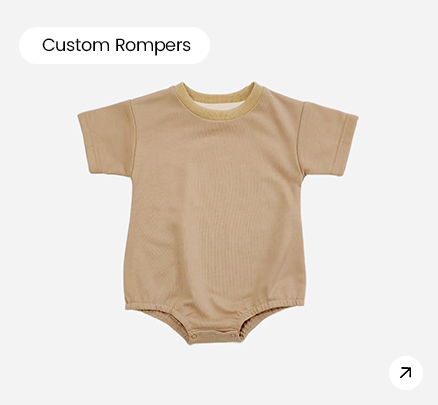
Standard retail sizing relies on mathematical averages. Unfortunately, human bodies are fiercely independent variables. A size medium might perfectly fit your bust but severely pinch your waist. It might fit your waist but leave your torso strained.
When standard S/M/L grading fails, bespoke tailoring becomes necessary. Standard charts rarely account for independent variations in shoulder width, waist circumference, and torso length. Investing in a properly fitted Custom Romper entirely eliminates this proportion mismatch. Tailored production guarantees your exact inseam preference. It ensures the waist hits your natural curve precisely. This level of personalization drastically reduces the frustrating cycle of ordering, trying on, and returning ill-fitting garments.
Many consumers hesitate at the initial price of customization. However, you must evaluate clothing as a long-term wardrobe investment. Fast-fashion alternatives frequently rip, fade, or sit unworn in your closet due to subtle discomforts. A tailored piece delivers continuous comfort and exceptional longevity. It outperforms mass-produced items through superior stitch quality and exact measurements. You wear it more often. You feel better wearing it. The cost-per-wear drops significantly over time.
Owning a high-quality one-piece garment is only the first step. You must know how to manipulate it for different environments. Smart styling dramatically extends the versatility of a single item. The right additions transform a casual piece into a sophisticated ensemble.
Layering for Context: You can easily shift the formality of your outfit. Add a structured, oversized blazer to immediately read as office-appropriate. For a relaxed weekend brunch, drape a cropped denim jacket over the shoulders. Thin knit turtlenecks worn under sleeveless styles extend their use into autumn.
Footwear Anchoring: Shoes dictate the immediate vibe. Pair your outfit with clean, white sneakers for daytime errands or active tourism. When the sun sets, swap the sneakers for pointed-toe block heels or strappy stilettos. This instant elevation requires zero changes to the actual garment.
Accessory Integration: Never underestimate the power of a good belt. Many Romper designs feature relaxed silhouettes. A wide leather belt artificially creates a distinct waistline. It breaks up a monochromatic color block. It also secures extra fabric if the natural cut feels too loose.
Mastering the all-in-one wardrobe solution requires a strategic approach. You must prioritize torso fit above all other measurements to avoid physical discomfort. Always verify closure accessibility to ensure practical daily wear. Finally, align your fabric choices strictly with your intended occasions. A well-chosen one-piece garment drastically reduces morning decision fatigue while keeping you effortlessly stylish.
Take a moment to audit your current closet. Look for gaps where a versatile, single-step outfit could save you time. Decide if your body proportions align with off-the-rack standards or if a personalized approach makes more sense. Ready to upgrade your styling routine? Explore comprehensive product catalogs, utilize detailed sizing guides, or book a custom-fitting consultation today to secure your perfect fit.
A: Yes, if selected carefully. Office settings demand structured fabrics like wool blends or heavy crepe. Avoid flimsy cottons or overly bright patterns. Ensure the shorts hit mid-thigh or lower, resembling a tailored bermuda cut. Pair it with a conservative neckline, closed-toe loafers, and a structured blazer to maintain professional authority.
A: Focus on strategic waist definition. Use a contrasting belt to visually break up the fabric and mark your natural waistline. Monochromatic color blocking naturally elongates the frame. Avoid drop-waist cuts if you have shorter legs. Instead, select high-waisted designs to draw the eye upward and balance your silhouette.
A: Prioritize accessible design features. Look for deep front-wrap styles you can easily slide off your shoulders. Side zippers offer easier reach than hidden back zippers. If you buy a back-zip style, ensure it has an extended pull ribbon. High-stretch fabrics also allow faster, struggle-free removal in confined spaces.
A: Standard sizing often fails extreme height variations due to set torso lengths. Petite women experience crotch sag, while tall women suffer uncomfortable shoulder pulling. You must check exact shoulder-to-crotch drop measurements before buying. If standard sizes consistently fail, opting for a custom-tailored solution prevents costly fit errors.


