


Views: 0 Author: Site Editor Publish Time: 2026-06-10 Origin: Site


Fabric selection directly dictates the drape, durability, production cost, and final market positioning of your garments. A beautiful design concept often falls flat if the chosen raw material behaves poorly during construction. Choosing between standard cotton, linen, and organic cotton requires carefully balancing aesthetic goals against harsh manufacturing realities. You must navigate unseen variables like fabric shrinkage, dye affinity, and material behavior under a sewing needle. A poor choice here often leads to wasted yardage and delayed launch dates. Successful production relies heavily on matching specific weave and fiber properties to the intended garment structure early on. Doing so sets a solid foundation before you even move into the sampling phase. In this comprehensive guide, we will explore exactly how to evaluate these three popular fibers. You will learn actionable steps to align your fabric choices with both your creative vision and your actual production capabilities.
Standard Cotton offers the highest versatility and scalability for mid-market custom dresses, but requires careful attention to weaves (e.g., lawn vs. poplin).
Linen commands a premium price point and offers superior breathability for summer collections, but introduces manufacturing challenges like fraying and high wrinkle-rates.
Organic Cotton provides a distinct marketing advantage and meets strict environmental compliance (GOTS), though it requires managing tighter supply chains and higher baseline costs.
Communicating exact specifications (GSM, weave, pre-washing requirements) to your custom dresses manufacturer is non-negotiable for quality control.
Fabric choice forms the financial and structural foundation of any garment. Your selection dictates more than just the visual appeal. It influences your entire supply chain and brand perception. Understanding these operational impacts separates successful lines from costly failures.
Raw material choices directly impact your retail margins. High-quality fibers require a larger initial investment. However, they often justify a premium market positioning. You must weigh the raw material expense against the perceived value it brings to the wearer. A beautifully draped linen dress suggests luxury. Consumers expect premium materials when shopping for high-end resort collections. Standard options keep margins healthy for everyday wear. You must align your material investment with your target customer expectations.
Every fabric behaves differently on the cutting table. Production risks multiply when you ignore these inherent material traits. Some common risks include:
Fabric Shrinkage: Unwashed natural fibers shrink dramatically during their first wash. This ruins careful pattern grading.
Dye Lot Variations: Natural fibers absorb dyes inconsistently. You might face color shifts between different fabric rolls.
Needle Behavior: Tightly woven materials might pucker under standard needles. Loosely woven textiles often snag or fray.
Garment success depends on aligning fabric traits with the wearer’s specific use case. Resort wear requires maximum breathability and relaxed draping. Daily workwear demands structure, opacity, and wrinkle resistance. You must also consider the wearer’s maintenance tolerance. A dry-clean-only garment frustrates consumers seeking easy everyday outfits. Conversely, buyers accept high-maintenance care for formal or occasional pieces. Match your fiber choice to the lifestyle of your target audience.
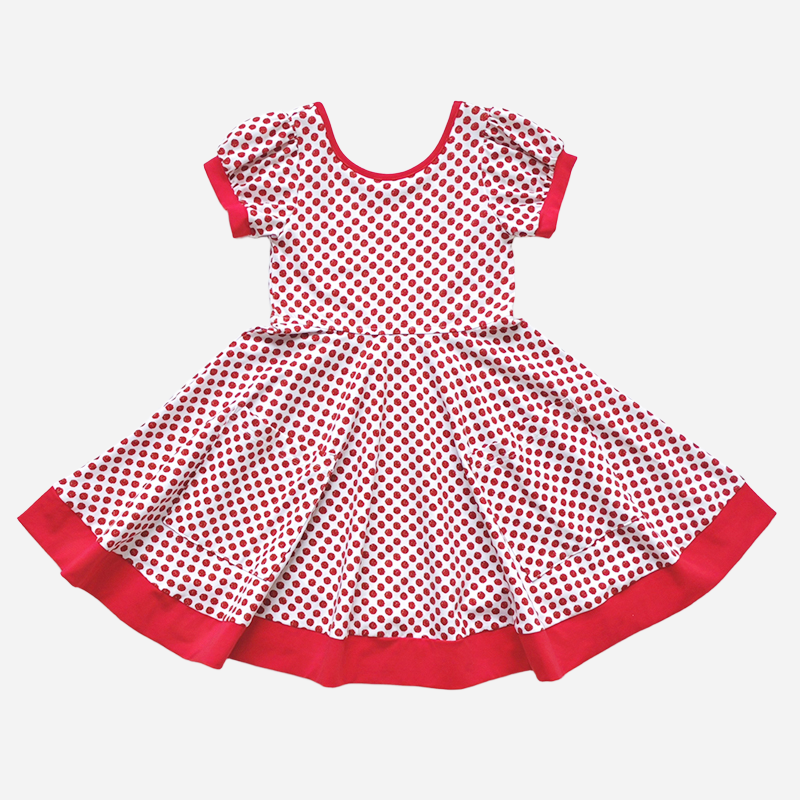
Standard cotton remains the backbone of the apparel industry. It offers unparalleled versatility for brands designing Custom Dresses at volume. This fiber balances comfort, workability, and accessibility.
Standard cotton breathes exceptionally well. It absorbs moisture quickly, keeping the wearer comfortable. The fiber readily accepts vibrant dyes, allowing for expansive color palettes. Suppliers offer standard cotton in nearly endless weights. You measure this weight in GSM (grams per square meter). You can source ultra-lightweight options or heavy-duty variations easily. This wide availability streamlines sourcing for large collections.
The true power of standard cotton lies in its weave variations. The yarn twist and weaving technique dictate the final drape. Here is a breakdown of common cotton dress weaves:
Weave Type | Characteristics | Best Garment Application |
|---|---|---|
Cotton Lawn | Lightweight, semi-sheer, crisp hand-feel. | Flowing summer dresses, gathered skirts. |
Cotton Poplin | Medium-weight, smooth surface, highly structured. | Shirtdresses, tailored silhouettes, pleated designs. |
Cotton Denim | Heavyweight, durable, twill weave texture. | Utilitarian workwear, structured pinafores. |
Factories love working with standard cotton. It behaves predictably on the cutting table. The fabric resists slipping, ensuring accurate pattern pieces. Sewing standard cotton requires minimal specialized equipment. It holds a crisp crease for easy hemming. Furthermore, it excels in printing applications. Standard cotton provides a smooth, stable base for direct-to-garment (DTG) printing. It also handles traditional screen printing exceptionally well.
Despite its versatility, standard cotton carries specific risks. It is highly prone to moderate shrinkage. You must calculate this shrinkage before finalizing your sizing charts. Additionally, conventional cotton farming uses significant water and pesticides. This reality often clashes with eco-conscious brand messaging. If your brand focuses heavily on sustainability, standard cotton might alienate your core audience.
Linen represents luxury, leisure, and natural elegance. Derived from the flax plant, it offers unique aesthetic and physical properties. However, these premium traits introduce distinct hurdles on the factory floor.
Linen provides exceptional airflow. The hollow core of the flax fiber allows heat to escape rapidly. It boasts a high moisture-wicking capability, pulling sweat away from the body. Visually, linen offers a distinct natural texture. The irregular slubs in the yarn create a beautiful, organic surface. These traits make it highly desirable for hot climates.
You should reserve linen for premium summer collections. It works perfectly for resort-style garments. The fabric suits relaxed, voluminous silhouettes rather than tight, tailored fits. Consumers willingly pay a premium for high-quality linen pieces. They associate the fabric with vacation wardrobes and slow fashion aesthetics.
Linen presents several unique advantages during construction. Interestingly, the fiber becomes stronger when wet. This durability ensures longevity for the final garment. It takes structural pressing incredibly well. You can create sharp, permanent creases for pleats or crisp collars. Additionally, linen is naturally hypoallergenic. It resists bacteria, making it ideal for sensitive skin.
Working with linen requires advanced technical planning. You must account for the following manufacturing constraints:
Severe Fraying: Linen edges unravel quickly once cut. This requires specific seam finishes. You must use French seams or bound edges. These techniques look beautiful but significantly increase labor hours.
High Wrinkle Factor: Linen creases the moment it bends. You must communicate this inherent trait clearly to end-buyers. Otherwise, customers might return garments thinking they are defective.
Lack of Elasticity: Flax fibers do not stretch. You cannot rely on the fabric to conform to the body. This requires highly precise pattern grading for fitted silhouettes. You must incorporate darts, pleats, or bias cuts to allow for movement.
Organic cotton offers the structural benefits of standard cotton while addressing severe environmental concerns. It appeals directly to the modern, eco-conscious consumer. However, sourcing it requires navigating a more complex supply chain.
Organic cotton shares most behavioral traits with its conventional counterpart. It sews predictably and breathes well. Yet, it often features a noticeably softer hand-feel. Conventional harvesting often relies on harsh chemicals and machine picking. This damages the natural fibers. Organic farming generally relies on careful hand-picking. This process leaves the natural fibers unbroken, resulting in a smoother, softer textile.
You cannot simply claim a fabric is organic. You must verify its origins through strict certification standards. OEKO-TEX certification ensures the final textile remains free from harmful chemicals. However, GOTS (Global Organic Textile Standard) is the gold standard. GOTS tracks the product from the initial seed planting through the spinning, weaving, and dyeing processes. It also mandates ethical labor practices throughout the supply chain.
Utilizing organic cotton meets the rapidly growing consumer demand for sustainable fashion. It provides a powerful marketing narrative for your brand. Because it avoids toxic pesticides and harsh chemical dyes, it is excellent for sensitive skin. Many designers prefer organic options for baby and toddler dress lines. The clean processing ensures safety for delicate wearers.
Transitioning to organic materials involves steep learning curves. You face higher upfront material costs compared to conventional options. Furthermore, the supply chain remains narrower. You might struggle to find specialized weaves in organic variants. Securing custom dye lots also proves difficult. Many mills require larger minimum order quantities (MOQs) to process organic fibers. You must plan your production calendar well in advance to accommodate these sourcing delays.
Selecting the right material requires evaluating your design vision against practical constraints. You must balance how the fabric moves, how it handles local climates, and how it accepts surface design.
Your garment's silhouette dictates your fiber choice. Choose linen for crisp, voluminous silhouettes. It holds its shape beautifully in A-line cuts or wide sleeves. Opt for lightweight cottons, like lawn or voile, for gathered tiers. These thin fabrics bunch tightly without adding unwanted bulk to the waistline. Select medium-weight cottons, like poplin, for tailored fits. They provide the necessary stability for button plackets and structured collars.
Align your fabric weight with the intended wearing season. Linen remains the undisputed champion for high heat and extreme humidity. It allows maximum airflow. Mid-weight standard or organic cotton offers year-round versatility. You can layer these pieces easily in transitional weather. Avoid heavy denim for peak summer lines, as it traps heat.
Assess how each fiber absorbs dye before finalizing your prints. Standard cotton remains the safest bet for complex, multi-color prints. Its smooth surface holds sharp details perfectly. Linen's slubby texture disrupts fine print lines. It works better for large, abstract motifs or solid piece-dyeing. Organic cotton accepts prints well, but you must use specific water-based inks to maintain your environmental certifications.
Material costs scale dramatically depending on your fiber choice. Use this simple progression model to estimate your relative investment. Standard cotton serves as your baseline. It offers the most economical entry point. Organic cotton represents a premium step up due to certification and farming costs. Linen sits at the top, representing the highest material and labor investment due to complex handling requirements.
Fabric Type | Best Drape | Ideal Climate | Print Suitability | Relative Scale Effort |
|---|---|---|---|---|
Standard Cotton | Tailored to Flowy | Year-Round | Excellent for details | Baseline / Easiest |
Linen | Voluminous / Crisp | Hot / Humid | Best for solids/abstracts | Highest effort |
Organic Cotton | Tailored to Flowy | Year-Round | Excellent (needs eco-ink) | Premium / Moderate effort |
A brilliant fabric concept fails without clear factory communication. Your relationship with a reliable Custom Dresses manufacturer dictates the final garment quality. You must formalize your expectations through rigorous testing and detailed documentation.
Never approve bulk yardage blindly. You must test fabric swatches physically. A digital photo cannot convey weight, drape, or hand-feel. Request small swatches to verify the GSM and weave structure. For printed designs, you must request strike-offs. A strike-off is a small test print on your actual chosen fabric. This step verifies color accuracy. Dyes look vastly different on sheer lawn compared to heavy denim.
You must establish strict shrinkage protocols before bulk cutting begins. Natural fibers shrink when exposed to heat and water. You have two options to manage this risk. First, you can request pre-washing. The factory washes the fabric rolls before cutting. This stabilizes the material. Second, you can build shrinkage tolerances into your patterns. If a fabric shrinks by five percent, you grade your initial pattern five percent larger. Testing sample yardage reveals exactly how much a fabric will contract.
Your Tech Pack must leave no room for interpretation. You must document the exact fiber content in percentages. Specify the weave style and the required GSM. Detail your exact finishing requirements. Do you need the fabric mercerized for a slight sheen? Do you require enzyme washing for a softer feel? Documenting these details avoids costly miscommunications. Factories build what you specify. Precise spec sheets guarantee your bulk production matches your approved samples perfectly.
Finding the perfect fabric is rarely about finding a flawless material. The "best" fabric is always a calculated compromise. You must weigh your creative design vision against your production budget. You must also respect the technical capabilities of your chosen manufacturing partner. Standard cotton offers unbeatable versatility. Linen delivers unmatched summer luxury. Organic cotton provides a powerful sustainable narrative. Evaluate your garment's purpose, your target audience, and your margins carefully.
Your immediate next step is simple. Order sample yardage of standard cotton, linen, and organic variations. Drape them over a dress form. Wash them. Sew a test seam. Physical testing reveals truths a digital screen never will. By testing early, you ensure your final production run aligns perfectly with your brand standards.
A: Yes. Cotton-linen blends reduce the wrinkling of pure linen while maintaining excellent breathability. The cotton adds structural stability, making the fabric easier to cut and sew. This blend offers a highly cost-effective middle ground for production.
A: For summer dresses, aim for a GSM between 90 and 130. Fabrics in this range, such as cotton lawn or lightweight linen, offer enough opacity to avoid requiring heavy linings. Simultaneously, they remain light enough to prevent trapping body heat.
A: The physical printing process remains largely the same. You can use screen printing or digital methods. However, to maintain strict eco-certifications throughout the entire garment, you must ensure your manufacturer uses GOTS-certified, water-based inks instead of traditional plastisol.


