


Views: 0 Author: Site Editor Publish Time: 2026-06-30 Origin: Site


Parents increasingly demand premium, durable kidswear that can withstand daily adventures. A well-designed Custom Overall stands out as a versatile, high-margin anchor product for growing brands. But creating this staple piece involves navigating a unique tension. You must balance beautiful aesthetic design against rigorous functional demands. Active children need authentic playground-ready durability. Parents expect these garments to survive frequent, heavy-duty washing. Most importantly, regional regulators demand strict, uncompromising safety compliance. Navigating these overlapping requirements often frustrates new apparel designers. This article provides brand founders with a systematic, actionable framework. You will learn how to specify materials accurately and ensure strict compliance at every stage. We also explore how to evaluate manufacturing partners effectively to mitigate production risks. By following this guide, you can confidently launch a resilient, profitable private label overall collection.
Material integrity dictates ROI: Selecting the right base fabrics and reinforced hardware reduces return rates and builds long-term brand trust.
Safety compliance is non-negotiable: Strict adherence to regional safety standards (CPSC, REACH) must be integrated at the tech pack stage, not as an afterthought.
Partner selection requires specific criteria: A reliable custom overall manufacturer must demonstrate documented expertise in kidswear grading, hardware stress-testing, and consistent QA protocols.
Prototyping mitigates risk: Fit-testing and wash-testing during the sampling phase are critical to preventing full-production size discrepancies.
Overalls naturally command a higher perceived value in the retail market. Consumers view them as complete outfits rather than simple separates. This structural complexity allows brands to position them as premium anchor products. Parents willingly invest in these garments because they offer superior utility and robust protection for active play. They often become hand-me-down staples, further elevating your brand's reputation for longevity. Establishing this hero product creates a reliable revenue stream to support your broader apparel collections.
Many new brands start by applying logos to pre-made blank garments. This white-label approach severely limits brand equity and design innovation. Slapping a woven label on a generic silhouette prevents you from optimizing the fit for actual children. Developing a true custom garment allows you to dictate every detail. You control the proprietary fabric blends, bespoke hardware finishes, and ergonomic cut. These unique details differentiate your brand in a crowded market. They transform a basic utility garment into a recognizable, signature piece.
The core silhouette of an overall offers exceptional versatility across different seasons. You can utilize the exact same foundational pattern while simply adjusting the fabric weight. You might use a heavyweight 12-ounce denim or thick corduroy for autumn collections. Conversely, you can transition to a breathable 6-ounce linen or lightweight cotton twill for summer drops. This strategy maximizes the return on your initial pattern-making investment. It allows the same core design to drive year-round revenue without requiring entirely new tech packs.
Selecting the right fabric requires balancing immense durability against essential mobility. Kidswear fabrics face constant abrasion from crawling, climbing, and sliding. You must evaluate materials based on tear strength and abrasion resistance. Rigid fabrics often restrict movement, which frustrates active toddlers. Incorporating a small percentage of elastane or spandex (typically 2% to 3%) into rigid bases transforms their usability. This blend provides crucial stretch for crawling while maintaining structural integrity.
Fabric Comparison Chart for Kidswear Overalls | |||
Fabric Type | Abrasion Resistance | Mobility Factor | Ideal Seasonality |
|---|---|---|---|
Denim (Cotton/Elastane) | Excellent | Moderate to High (if blended) | All-Season / Winter |
Cotton Canvas | Outstanding | Low to Moderate | Autumn / Winter |
Twill | Very Good | High | Spring / Autumn |
Corduroy | Good | Moderate | Winter |
Hardware selection directly impacts both garment lifespan and child safety. You must strictly source nickel-free and lead-free metals. Inferior metals cause severe skin irritation and violate international safety regulations. Source reinforced, adjustable straps designed to accommodate a child's rapid growth. Snap-buttons require specific attention. They must endure high-stress daily use without bending or detaching. Always specify heavy-duty, prong-ring snaps for inseams to facilitate easy diaper changes.
Safety compliance cannot operate as an afterthought during production. You must integrate safety requirements directly into the design phase. US brands must adhere to Consumer Product Safety Commission (CPSC) regulations, while EU brands follow REACH standards. Designing safely means eliminating all potential choking hazards. Hardware must undergo rigorous pull-testing (often requiring a 15-pound tension hold for 10 seconds). You must also eliminate functional drawstrings around the neck or waist, which pose severe entanglement risks.
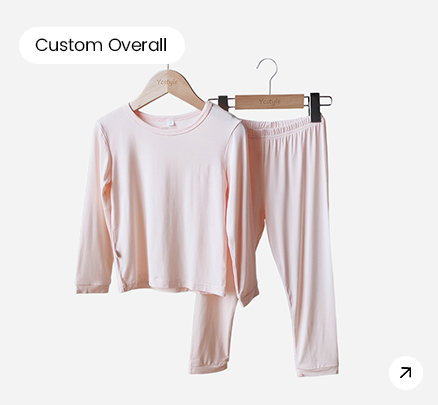
You cannot entrust your production to a generic adult apparel factory. Partnering with a specialized Custom Overall manufacturer ensures they understand child-specific nuances. Adult grading follows linear, predictable mathematical formulas. Kidswear grading requires distinct proportional shifts. A toddler's head-to-body ratio and diaper bulk necessitate completely different pattern adjustments than a youth size. Experienced kidswear factories already possess the specialized templates, safety testing equipment, and industry knowledge required to execute these complex adjustments.
Your manufacturer must demonstrate the technical capability to assemble heavy-duty garments. Overalls require specialized industrial machinery. When evaluating factories, you must verify their specific construction capabilities:
Heavyweight Fabric Handling: Ensure their sewing machines can penetrate multiple layers of thick denim or canvas without needle breakage.
Stress-Point Reinforcement: Verify they routinely apply bar tacks (dense zigzag stitches) at high-tension areas like pocket corners and strap loops.
Seam Construction: Look for the ability to execute flat-felled seams. These encase raw edges entirely, preventing fraying and eliminating skin chafing.
Hardware Application: Check if they utilize pneumatic snap-attachment machines for consistent, secure fastening.
Minimum Order Quantities (MOQs) often dictate your initial production strategy. Factories implement MOQs to cover the setup costs of cutting, dyeing, and sourcing specialized hardware. You must find a partner whose initial minimums align with your launch inventory needs. However, you also need assurance they can scale. A factory handling 300 units today must seamlessly transition to producing 3,000 units next year without compromising quality.
Initial outreach quickly reveals a factory's operational standards. Watch closely for communication red flags. Reluctance to provide fabric certifications or vague production timelines signals future unreliability. A trustworthy partner offers complete transparency regarding their ethical sourcing practices. They will eagerly share their material compliance certificates and social audit reports. Clear, structured communication during the sampling phase usually indicates a well-managed bulk production process.
A comprehensive tech pack acts as your definitive manufacturing contract. Ambiguity here leads directly to costly production errors. Your tech pack must include highly detailed CAD drawings showing every seam and topstitch. It needs graded measurement charts covering your entire size run. It must feature a complete Bill of Materials (BOM) listing every fabric, thread, and label. Crucially, provide exact hardware placement specifications. Detail the precise distance between buttons and the exact positioning of adjustable strap sliders.
Never rush the sampling process. A pristine digital design often behaves unpredictably in reality.
You must test physical samples on active children. Static mannequins do not reveal movement flaws. Watch the child crawl, walk, and bend. Check for restrictive crotch seams or slipping shoulder straps. Evaluate the diaper-change accessibility for infant and toddler sizes. If parents struggle to reseat snaps on a squirming child, the design requires immediate modification.
Fabric behaves differently after domestic laundering. Subject your final samples to multiple aggressive wash-and-dry cycles. Check the material for unexpected shrinkage, which throws off your carefully graded fit. Monitor dark fabrics for colorfastness to ensure dye does not bleed onto lighter shirts. Finally, inspect all metal hardware for any signs of early oxidation or degradation.
Establish strict Quality Control parameters before bulk manufacturing begins. Define your Acceptable Quality Limit (AQL) to set clear expectations for defect rates. Implement specific, non-negotiable checks during assembly:
Seam Bursting Strength: Conduct physical stress tests on crotch and side seams to ensure threads do not pop under tension.
Hardware Attachment Integrity: Perform random pull-tests on snaps and buckles off the production line.
Measurement Verification: Measure a random sample of completed garments against your graded tech pack charts to catch sizing drift.
Needle Detection: Mandate that all finished garments pass through a calibrated metal/needle detector before final bagging.
Sizing remains the most common pitfall for emerging kidswear brands. Relying on simple linear scaling ruins the fit across different age groups. A 2T overall must accommodate bulky diapers and short torsos. An 8-year-old's overall needs a longer rise and leaner leg profile. You must implement distinct proportional adjustments at specific sizing breaks. Working closely with an experienced kidswear pattern maker prevents these disastrous fit discrepancies.
Do not underestimate the time required for safety certifications. Independent lab testing forms a massive bottleneck if poorly planned. Regulators require documented proof of flammability testing and lead content analysis. These independent laboratory tests often take weeks to process. Factor these lead times into your overall production calendar. Your inventory cannot legally cross borders or enter retail channels until these certificates are fully secured.
Designers sometimes let aesthetic ambition override practical utility. Over-engineering kidswear frustrates parents and increases return rates. Avoid the trap of implementing complex, multi-step closures. Tiny, rigid buttons look beautiful but prove impossible to fasten on a crying toddler. Prioritize ease-of-wear above all else. Utilize elasticized back waists, hidden snap inseams, and smooth-gliding zippers. Functional utility always drives customer loyalty in the children's market.
Building a successful private label overall collection demands precision at every stage. It relies on the careful alignment of highly durable materials, uncompromising safety compliance, and a deeply capable manufacturing partner. When you bridge the gap between aesthetic vision and rugged functionality, you create a product parents trust.
To move forward, take these immediate action steps. First, audit your existing tech packs to ensure they include specific hardware placement and safety testing requirements. Second, define your baseline regional compliance needs, such as CPSC or REACH standards. Finally, begin structured outreach to specialized kidswear factories to request capability portfolios and initial sampling quotes.
A: Standard industry minimums typically range from 300 to 500 units per color or style. These minimums exist because factories must purchase fabric in bulk rolls, run custom dye batches, and meet their own suppliers' minimums for specialized, lead-free hardware.
A: The sampling timeline generally takes 3 to 6 weeks. This period covers initial pattern making, custom hardware sourcing, and cutting the prototype. Complex fabric blends or custom-dyed materials often push this timeline closer to the 6-week mark.
A: Request factory-level certifications like BSCI or WRAP to ensure ethical labor practices. For materials, demand Oeko-Tex Standard 100 certification. This guarantees fabrics and threads are completely free from harmful chemicals and safe for children's skin.
A: Yes, using a Cut, Make, Trim (CMT) model allows you to supply your own fabric. However, Fully Factored (FPP) manufacturing is often easier for new brands. Supplying your own fabric adds complex logistical challenges regarding shipping, customs, and managing material defects.


