


Views: 0 Author: Site Editor Publish Time: 2026-05-02 Origin: Site


We all face decision fatigue when planning daily outfits. Standing before a closet trying to match individual tops, bottoms, and layering pieces takes precious time and mental energy. Enter the one-piece garment. It serves as a high-return wardrobe investment offering immediate relief from daily guesswork. However, while the “one-and-done” appeal sounds incredibly strong in theory, practical application often hits roadblocks. Shoppers frequently struggle to find the correct fit. Torso length mismatches and body proportion imbalances remain primary barriers to purchase. Other common hurdles involve styling logistics. Buyers worry about selecting appropriate undergarments, managing seasonal transitions, or determining if the piece fits a strict dress code. Our goal is to solve these exact styling challenges. We provide a clear, structured evaluation framework to guide your purchasing decisions. You will learn how to confidently shortlist the perfect single-piece outfit based on your unique body type, preferred fabrics, and daily routine. We will walk you through precise sizing tactics and styling strategies ensuring your next purchase delivers effortless elegance.
Baseline Distinction: Rompers feature shorts for warm-weather or active utility; jumpsuits feature pants, offering a continuous visual line ideal for elongation and formal transitions.
Fit is Non-Negotiable: Evaluating torso length and inseam is critical. Belted and wide-leg silhouettes offer the highest versatility across body types.
Logistics Matter: Successful adoption requires planning for undergarments (convertible bras, seamless wear) and layering capabilities for multi-season wear.
Occasion-Driven Sourcing: Match the fabric and neckline to the dress code—linen and denim for casual utility, draped fabrics and deep V-necks for formal events.
Let us define the core categories clearly. Understanding these fundamental definitions helps you target the right section of the store immediately. The Romper is strictly defined by its shorts-length bottom. It acts as the ultimate go-to piece for warm climates. You reach for it during casual weekend outings, beach trips, or active daytime transitions. The shortened leg allows maximum mobility and breathability. Conversely, the jumpsuit features a full-length pant. It creates a continuous, unbroken line of fabric extending from your shoulder all the way down to your ankle. This specific visual line naturally elongates the human frame. It also provides a significantly higher baseline of formality, making it suitable for elevated events.
How do you evaluate proper wardrobe integration? You must assess your current closet gaps before browsing online or in stores. Ask yourself practical questions. Do you need a low-friction, comfortable outfit for running weekend errands? A short-leg piece handles this casual requirement perfectly. Do you need a sophisticated, tailored alternative to a standard wedding guest dress? A full-length piece serves this formal need beautifully. Scalability represents another crucial evaluation metric. Full-length options generally offer a much longer wear-season in temperate climates. You can comfortably wear them through early spring, cool summer nights, and deep into autumn. Short-leg alternatives excel primarily during peak summer heat.
Feature Category | Short-Leg Options | Full-Length Options |
|---|---|---|
Bottom Silhouette | Shorts (cut above the knee) | Pants (full length or cropped) |
Climate Suitability | Hot weather, peak summer, tropical vacations | Multi-season, temperate climates, brisk evenings |
Formality Level | Casual, Athletic, Smart Casual | Smart Casual, Business Casual, Black-Tie Optional |
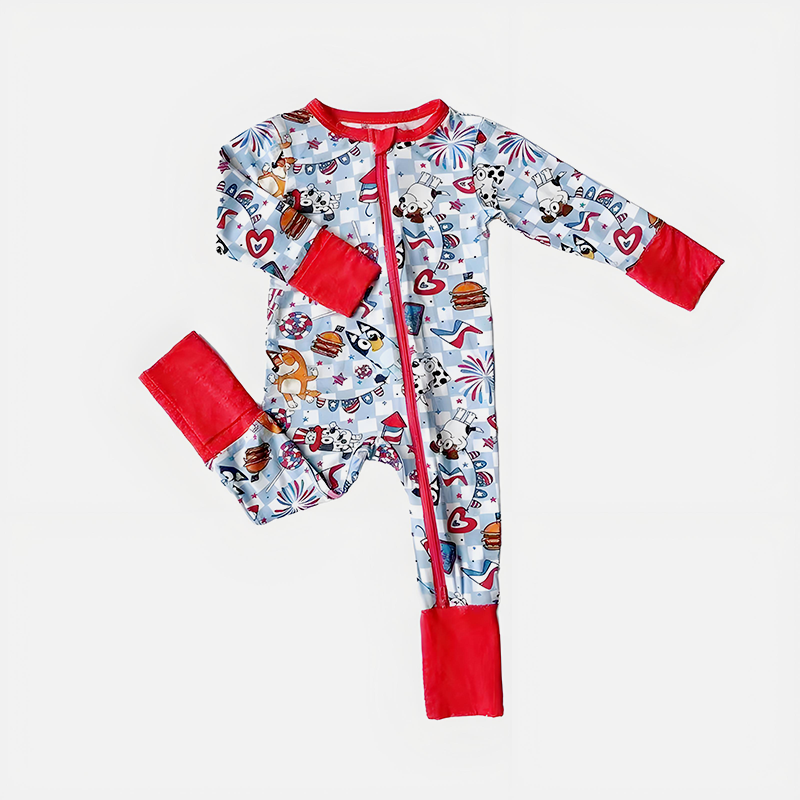
Fit dictates the entire success of a one-piece outfit. The torso length variable presents the highest implementation risk for any buyer. If the garment's torso is too short, it causes uncomfortable crotch drop. It simultaneously creates painful pulling across your upper shoulders. If the torso is cut too long, the waistline sags poorly. We highly recommend checking brand-specific size guides for exact torso measurements. Measure yourself carefully from your highest shoulder seam down through your natural crotch line. Compare your personal numbers against the manufacturer's sizing chart. Never assume a standard medium fits exactly like another brand's medium.
Inclusive sizing considerations remain vital for consumer satisfaction. Petite and plus-size shoppers face highly unique proportion challenges. We highlight the absolute necessity of shopping brands offering dedicated petite and plus-size cuts. Petite cuts feature shorter inseams and appropriately raised waistlines. Plus-size cuts meticulously adjust the hip-to-waist ratios to prevent awkward fabric gaping. Sometimes, standard off-the-rack sizing fails completely. In these frustrating cases, exploring the custom route makes total sense. Ordering a Custom Romper or a made-to-measure jumpsuit solves proportion mismatches instantly. A tailored piece accommodates non-standard upper-to-lower body ratios flawlessly.
Let us examine specific silhouettes and their visual outcomes. Certain cuts flatter different skeletal frames beautifully.
Wide-Leg Silhouettes: This style dramatically elongates your frame. It effectively balances out broader shoulders by adding intentional volume to your lower half.
Belted and Cinched Waists: Single-piece garments sometimes look heavy or monolithic because of the continuous fabric block. A belt physically breaks up this continuous stretch. It defines your natural waistline and improves your overall anatomical balance.
You must intelligently match your outfit to the specific event you plan to attend. Fabric choice and tailoring details dictate where you can appropriately wear the piece. We break this evaluation process down into three primary occasion categories.
Formal and Evening Wear (Wedding Guest, Cocktail): Think wedding guest duties or upscale cocktail parties. You need elevated aesthetics. Evaluation criteria strictly prioritize draped fabrics like silk, velvet, or heavy crepe. Seek elevated necklines. Halter tops or deep V-necks work beautifully for evening events. Refined details matter immensely. Subtle cutouts and delicate pleating transition the piece directly into formal territory. Pair these styles exclusively with structured heels and minimal jewelry.
Smart Casual and Workwear: Office environments require entirely different rules. Evaluation criteria focus on crisp structure. Choose structured fabrics like wool blends or heavy cotton twill. Collar details add a necessary professional edge. Maintain conservative necklines suitable for boardroom settings. The piece must pair seamlessly under blazers or fine-knit cardigans. Stick to neutral colors or subtle pinstripes for maximum office versatility.
Everyday Utility and Vacation: Comfort rules the weekend and holiday travel. Evaluation criteria prioritize extreme breathability. You need total ease of movement. Focus on practical elements like deep cargo pockets. Relaxed fits allow crucial air circulation during hot days. Pack wrinkle-resistant materials to survive long flights. Linen blends provide a beautiful breezy feel, though they do require occasional steaming. Pair these relaxed pieces with comfortable sneakers or flat strappy sandals.
Selecting the right material guarantees physical comfort. Different fabric structures produce drastically different aesthetic outcomes. You must map your fabric choice directly to your desired end goal.
Material Type | Core Characteristics | Best Styling Approach |
|---|---|---|
Denim / Chambray | High durability, rigid structure, inherently casual, holds shape well. | Style with white sneakers or leather mules. Roll the hem slightly. |
Linen / Cotton Blends | Maximum breathability, lightweight texture, prone to heavy wrinkling. | Pair with flat strappy sandals and oversized woven tote bags. |
Jersey / Knits | High stretch, superior comfort, drapes closely against the skin. | Requires seamless undergarments. Use a structured leather belt. |
Beyond basic fabric selection, you should monitor current market trends to shortlist modern silhouettes effectively. Understanding these trends helps you avoid looking outdated. Utility and cargo details currently dominate the casual market. You will regularly see functional patch pockets, oversized zippers, and utilitarian hardware. These specific elements add an edgy, practical vibe to your daily wear. Conversely, corset and bustier bodices heavily elevate evening wear options. They add beautifully structured contrast to flowing, wide-leg bottoms. Finally, consider puff sleeves and off-the-shoulder designs. These particular features shift the viewer's visual focal point upward. They brilliantly balance a heavier bottom half, ensuring you look perfectly proportioned.
Successful wardrobe adoption depends entirely on managing the hidden logistics. You cannot confidently wear a great outfit without wearing the correct foundations underneath it. Solving the complex undergarment equation prevents embarrassing styling disasters.
Backless and Halter Styles: Standard bras ruin the aesthetic of an open back. These specific styles require adhesive silicone options. Alternatively, invest in a high-quality convertible bra.
Seamless Foundations: A continuous line of fabric shows every bump and seam. We emphasize the absolute need for seamless underwear. Lightweight shapewear also helps considerably. It smooths your silhouette and maintains the garment's clean visual line from top to bottom.
Strategic layering guarantees seasonal scalability. You naturally want to wear your favorite Romper or full-length piece nearly year-round. Cold-weather tactics heavily focus on smart under-layering. You can transition a sleeveless piece by wearing a fine-gauge merino wool turtleneck underneath it. Alternatively, throw a structured leather moto jacket over the top for added edge. Swap your lightweight summer sandals for sturdy, closed-toe ankle boots to complete the winterized look.
Shoulder season hacks easily extend your garment's operational life. Spring and fall routinely present unpredictable temperature swings. You can extend the wearability of short-leg pieces by thoughtfully layering underneath them. Wear sheer black tights or opaque thermal leggings under the garment. Pair this specific combination with closed-toe footwear like loafers or Chelsea boots. You instantly convert a peak-summer staple into an autumn-ready outfit.
Mastering the one-piece wardrobe requires understanding your specific physical needs and daily routines. Keep your final shortlisting logic simple and highly targeted. Base your selection strictly on your primary pain point. If you battle intense heat and need maximum mobility, shop for short-leg options. If you want to replace a formal dress with something modern and tailored, shop for full-length jumpsuits. Always review the exact inseam and torso measurements before clicking the checkout button. Finally, take inventory of your current undergarments to ensure you have the right seamless foundations ready. By applying this structured framework, you will confidently invest in a piece delivering effortless, daily style.
A: The primary difference lies in the leg length. Rompers feature shorts, making them ideal for hot weather and casual settings. Jumpsuits feature long pants, creating a continuous line of fabric from shoulder to ankle. Both function as highly convenient one-piece garments.
A: Yes, absolutely. You can wear one to a formal event provided the material is elevated. Look for rich fabrics like silk, velvet, or heavy crepe. Pair the outfit with formal footwear, an elegant clutch, and refined jewelry to meet the dress code flawlessly.
A: It should allow for entirely comfortable movement. Ensure it does not pull uncomfortably at the shoulders or sag heavily at the crotch. The waistline should hit exactly at your natural waist. Always check brand torso measurements against your own body.
A: Cropped jackets work best. Consider a tailored leather moto jacket or a cropped denim jacket. These shorter styles maintain your waist definition. They beautifully balance the excess volume created by the wide leg of the pants.
A: Yes, you certainly can. Layering leggings or opaque tights under a darker-colored or heavier-weight piece is a standard styling tactic. This simple layering hack transitions your warm-weather garment smoothly into the cooler spring and fall shoulder seasons.


