


Views: 0 Author: Site Editor Publish Time: 2026-05-19 Origin: Site


We all love the sleek, effortless look of a beautiful one-piece outfit. Yet, an unspoken dread often keeps these stunning garments hanging untouched in our closets. The primary barrier to enjoying them is the logistical nightmare of using public restrooms. Nobody wants to face a complicated, near-complete undressing process in a cramped, unsanitary bathroom stall. This friction point turns a fun fashion choice into a highly stressful chore.
Fortunately, you can neutralize this objection completely using a few simple strategies. You will learn practical styling tactics and smart pre-purchase evaluation criteria to permanently solve this common problem. We will show you how specific garment designs, clever styling hacks, and strategic purchasing decisions make bathroom trips entirely stress-free. By rethinking your approach, you can wear your favorite outfits confidently anywhere.
Strategic layering and accessory management eliminate the risk of garments touching unsanitary bathroom surfaces.
Evaluating closure mechanisms (front buttons, wrap ties, elastic necklines) is the most critical step before finalizing a romper purchase.
Opting for a custom romper allows for tailored torso lengths and specialized hardware placements, directly mitigating standard usability issues.
Two-piece matching sets or specific fabric choices (high-recovery stretch blends) offer high-utility alternatives without sacrificing the one-piece aesthetic.
Many people abandon one-piece garments because they require a "full undress" just to use the toilet. We must define this requirement as a critical usability flaw in poorly designed clothing. Traditional jumpsuits often force you to strip down completely. You expose your skin to cold air. You risk letting your clothes brush against unsanitary floors. This core dilemma turns a simple biological need into a complex logistical operation.
A functional piece must meet a strict usability standard. A hassle-free garment must allow for unassisted entry and exit within 30 seconds. You should never need a friend to help you unzip your clothes in a public stall. Furthermore, you must achieve this without removing multiple outer layers. If a Romper fails this 30-second rule, it fundamentally fails as practical daywear.
We often calculate wardrobe Return on Investment (ROI) based on cost per wear. An unwearable garment has a terrible ROI. When you address this single bathroom pain point, you dramatically increase the frequency of wear. You transform a high-maintenance novelty piece into a reliable everyday staple. Fixing usability directly increases the value of your clothing investment.
Usability Factor | Poor Design | Optimal Design |
|---|---|---|
Undressing Time | Over 2 minutes | Under 30 seconds |
Assistance Required | Needs help with back zipper | Fully independent use |
Layering Interference | Requires removing jackets and sweaters | Allows jackets to stay on shoulders |
You probably already own pieces that present bathroom challenges. You do not need to throw them away. You simply need better styling methods to manage them safely in public spaces.
Long sleeves and wide pant legs pose a massive risk. They easily fall onto wet or dirty bathroom floors. You can use several techniques to secure them before you even unfasten your outfit.
The Hair Tie Trick: Keep two clean hair ties in your pocket. Pull long sleeves past your elbows. Secure them using the ties. Pull the extra fabric down over the band to hold it firmly in place.
The Sock Tuck: Roll wide pant legs up tightly. Tuck the rolled hems directly into your socks before lowering the garment.
The Waistband Roll: Gather excess upper-body fabric. Roll it tightly into a bundle at your natural waist. Hold it securely against your stomach as you lower the pants section.
Layering correctly changes everything. You must choose outerwear that simplifies the bathroom process. Cropped jackets, open cardigans, and removable belts are vastly superior to heavy pullovers.
Why do pullovers fail? You must pull them over your head completely before unzipping your base layer. This leaves you holding a bulky sweater in a tiny stall. Often, stall hooks are broken or missing. You have nowhere to place your clothes.
Implementation Rule: Ensure all outer layers can remain safely on your shoulders. Alternatively, ensure you can easily hang them on a stall hook before unclasping your main garment. Open cardigans simply slide to the sides as you lower the shoulder straps.
Your foundation layers can ruin an otherwise easy outfit. Avoid complex foundation garments entirely. Wearing bodysuits underneath adds another difficult layer requiring removal. Restrictive shapewear multiplies your problems. It rolls down, twists, and takes immense effort to pull back into place.
Best Practices: Stick to seamless, separate underwear. Opt for simple bras instead of connected foundation pieces. Keep your base layers modular to ensure maximum speed and minimal frustration.
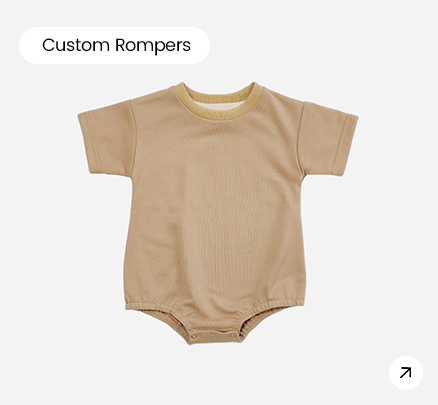
The best way to solve bathroom friction is to avoid buying flawed garments entirely. You must evaluate specific design elements before swiping your credit card.
Always prioritize front-fastening mechanisms. Buttons, visible front zippers, and easy front snaps allow you to see what you are doing. You control the closure mechanism directly in front of you.
Risk Assessment: Back-fastening invisible zippers are a major liability. They often require outside assistance. They catch on surrounding fabric easily. You cannot reach the middle of your back comfortably. This renders them entirely impractical for solo public restroom use.
Closure Type | Solo Usability Score (1-10) | Restroom Hassle Level |
|---|---|---|
Front Elastic Neckline | 10/10 | Zero Hassle |
Front Buttons / Snaps | 9/10 | Low Hassle |
Front Visible Zipper | 8/10 | Low Hassle |
Side Seam Zipper | 6/10 | Moderate Hassle |
Back Invisible Zipper | 2/10 | Extreme Hassle |
A smart neckline bypasses the need for complex hardware. Evaluate wrap-fronts, surplice necklines, and elasticized off-the-shoulder cuts. These brilliant designs allow the garment to slide down your arms smoothly. You never need to unfasten a single button or zipper. They stretch just enough to clear your shoulders, turning the undressing process into a one-second motion.
Stiff fabrics slow you down. Rigid denim or unyielding linen fights against your movements. Instead, look for advanced stretch blends. Fabrics containing spandex or elastane offer vital "give" at the hips and shoulders. This elasticity accelerates the dressing and undressing process. The fabric stretches to accommodate your body, then immediately snaps back into its original shape. High-recovery stretch blends ensure the outfit never looks baggy after a bathroom trip.
Common Mistake: Buying a rigid linen one-piece exactly in your size. Sitting down or bending over in the stall becomes uncomfortable. Always size up if you insist on wearing zero-stretch woven fabrics.
Standard sizing assumes everyone has the same body proportions. We know this is false. Off-the-rack options frequently fail because they ignore varied torso lengths. Taking the bespoke route solves these structural problems permanently.
A standard size often features a crotch drop designed for an "average" height. If you have a long torso, the garment rides up uncomfortably. It creates tension across your shoulders. This tension makes pulling the garment down incredibly difficult. If you have a short torso, the fabric sags and droops.
A well-tailored Custom Romper solves the standard "riding up" issue. By matching your exact vertical measurements, the garment sits correctly on your frame. This perfect fit eliminates tension, making the piece remarkably easier to pull down when needed.
When you commission clothing, you dictate the rules. You control where the hardware goes. You can request side-seam zippers instead of back zippers. You can ask for extended front plackets featuring easy-to-use snaps. You can even design hidden elastic waistbands. These specialized hardware placements directly mitigate standard usability issues. They engineer the friction right out of the design.
Investing in a personalized Custom Romper prioritizes wearer autonomy and absolute comfort. Bespoke garments act as a long-term solution. They yield a significantly higher cost-per-wear value than off-the-rack alternatives. Cheap garments feature poor closure designs. You stop wearing them because they frustrate you. A tailored piece respects your time and your dignity in public spaces.
Sometimes the smartest way to wear a one-piece is to avoid wearing one entirely. You can achieve the exact same aesthetic using clever two-piece matching sets.
Matching sets provide a powerful visual trick. Pairing identical tops and bottoms mimics the continuous silhouette seamlessly. To an observer, you look impeccably styled in a singular outfit. Yet, you maintain the modular functionality of separate pieces. You get the aesthetic victory without any bathroom convenience sacrifices.
You must master styling to maintain this illusion. You must hide the break in the fabric where the top meets the bottom.
Select a top and a high-waisted bottom from the exact same fabric line.
Smooth the top down completely around your torso.
Tuck the top firmly into the waistband of the shorts or pants.
Raise your arms straight up into the air once. This naturally pulls just enough fabric out to create a slight, relaxed "blouse" effect over the waistband.
Smooth the sides down to hide the rigid waistband line completely.
When evaluating a brand catalog, look closely at their separates. Check if they offer identically dyed tops and bottoms. Manufacturers often produce pants, skirts, and blouses using the exact same dye lot. Buying these matched separates creates a lower-friction alternative for high-activity days. If you know you have a busy day involving travel or public events, choose the illusion set over the traditional jumpsuit.
The infamous "bathroom hassle" remains a structural design and styling problem. It is never an inherent flaw of the wearer. You deserve clothes that support your lifestyle rather than complicate it. Begin by auditing your current wardrobe. Check the closure mechanisms and fabric stretch of your existing pieces. Use styling hacks like the hair tie trick to make them manageable.
Moving forward, demand better hardware placement for all future purchases. Refuse to buy back-zip garments unless you plan to wear them exclusively at home. Explore custom options that perfectly match your torso measurements. Browse curated collections prioritizing front-closures, wrap designs, and high-recovery stretch fabrics. By applying these standards, you regain your confidence and make every bathroom trip entirely hassle-free.
A: The easiest styles feature flexible necklines and front-fastening hardware. Look for wrap-front styles, deep surplice cuts, or elasticized off-the-shoulder necklines. These designs allow you to pull the garment down quickly without unfastening any zippers. Front-button designs and visible front zippers also provide excellent accessibility.
A: Use the "hair tie trick" for ultimate security. Pull your long sleeves up past your elbows. Place a hair tie firmly around your arm to hold the sleeve in place. Pull the excess fabric down over the tie to lock it. Alternatively, roll and tuck wide pant legs directly into your socks.
A: Yes, they are usually a dealbreaker for independent wear. Back-fastening invisible zippers require extreme arm mobility or assistance from another person. If you must wear one, attach a temporary zipper pull lanyard to the zipper head. Otherwise, avoid them entirely for public outings.
A: Absolutely. Custom designs eliminate standard usability friction entirely. Tailored torso measurements prevent the garment from riding up tightly against your shoulders. Furthermore, you can request custom closure choices like accessible side-seam zippers or extended front plackets, guaranteeing solo bathroom independence.


